Utility Connections Guide for Property Developers in the UK
Developing a property in the UK can be a complex and time-consuming process. One of the crucial aspects of property development is utility connections. Connecting utilities like gas, electricity, and water can be daunting, especially for first-time property developers. This guide aims to simplify the process of utility connections for property developers in the UK.
According to recent statistics, utility connections play a crucial role in the UK's property development landscape. In 2021 alone, there were over 160,000 new gas connections, ensuring that properties across the country have access to this essential service (Source: National Grid Gas Distribution).
Understanding Utility Connections
Utility connections are the links that connect a property to the gas, electricity, water, and telecommunications networks. These connections are necessary for the properties to receive these essential services. Understanding the types of connections and the process involved in applying for them is critical to the success of any property development project.
Types of Utility Connections
Gas Connection
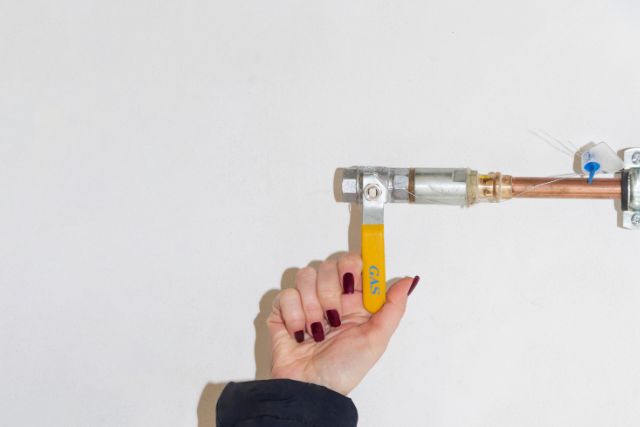
A gas connection is required to connect a property to the gas network. There are two types of gas connections: Gas Network Operator (GNO) and Gas Transporter (GT). A GNO connection is required for properties connected to the mains gas network, while a GT connection is required for properties located away from the mains gas network.
Electricity Connection
An electrical connection is necessary to connect a property to the electricity network. A Distribution Network Operator (DNO) is responsible for providing electricity connections. The type of connection required depends on the size of the development and the expected electricity demand.
The electricity sector witnessed significant activity, with approximately 330,000 new electricity connections facilitated by Distribution Network Operators (DNOs) (Source: Energy Networks Association).
Water Connection
A water connection is required to connect a property to the water supply network. A Water Utility Company (WUC) provides water connections. The type of connection needed depends on the size of the development and the expected water demand.
Water utility companies also made substantial contributions, with an estimated 210,000 new water connections provided to support various development projects (Source: Water UK). These statistics highlight the importance of utility connections in enabling the growth and functionality of properties throughout the UK.
Telecommunications Connection
A telecommunications connection is necessary to connect a property to the telecommunications network. There are several telecommunications providers, including BT and Virgin Media.
Applying for Utility Connections
Applying for utility connections involves pre-application, application, and post-application.
Pre-Application Stage
Before applying for utility connections, it is essential to check the availability of the connections and identify the type of connection required. This can be done by contacting the relevant utility company. Ensuring that the property's infrastructure can support the necessary connections is also crucial.
Application Stage
The application stage involves applying to the relevant utility company. The application must include details about the development, such as the location and expected demand for the utility services. The application must include supporting documentation, such as site plans and technical specifications.
Post-Application Stage
Once the application has been submitted, the utility company will assess the application and provide a quote for the connection. If the quote is accepted, the utility company will provide a date for the connection. Ensuring that all necessary work is completed before the connection date is essential.
Connecting to the Grid
Connecting to the grid involves several stages, including site surveys, excavation work, and installation. Connecting to the grid varies depending on the type of connection required.
Gas Connection
Connecting to the gas network involves several stages, including site surveys, excavation work, and installation. A Gas Safe registered engineer must carry out the gas connection.
Electricity Connection
Connecting to the electricity network involves several stages, including site surveys, excavation work, and installation. A qualified electrician must carry out the electricity connection.
Water Connection
Connecting to the water supply involves several stages, including site surveys, excavation work, and installation. A qualified plumber must carry out the water connection.
Telecommunications Connection
Connecting to the telecommunications network involves several stages, including site surveys, excavation work, and installation. A qualified engineer must carry out the telecommunications connection.
ICPs
ICP stands for Independent Connection Provider, a company authorized to carry out electrical connection work to the UK electricity network. ICPs can offer competitive pricing and faster turnaround times than DNOs.
However, choosing a reputable ICP and ensuring they have the necessary experience and qualifications to carry out the work safely and to a high standard is essential. It is also important to consider any additional costs that may be involved, such as for design and project management.
ICPs are responsible for the electrical connection work, including site surveys, excavation, and installation. They must comply with relevant legislation and regulations, including the Electricity Safety, Quality, and Continuity Regulations (ESQCR) and the Electricity at Work Regulations (EAWR).
It is crucial to work closely with the ICP to ensure all necessary work is completed before the connection date and resolve any issues promptly. By working with a reputable ICP, property developers can benefit from a faster and more efficient connection process, ultimately helping to ensure the success of their development project.
Conclusion
Connecting utilities, including electricity, gas, water, and telecommunications, is a critical aspect of property development in the UK. Understanding the different types of connections available and the process involved in applying for them is essential. Working with qualified professionals, such as ICPs and DNOs, can help ensure a successful connection process.